What Does a Chimney Cleaning Actually Include? Sweep, Inspection, and Camera Explained
A professional chimney cleaning covers more than most homeowners expect, and understanding exactly what is included helps Columbus, OH, residents make smarter decisions about fireplace safety. This article breaks down every step of the process, from the initial sweep and creosote removal to camera inspection and written documentation.
The Chimney Cleaning Appointment Starts Before Any Tools Come Out
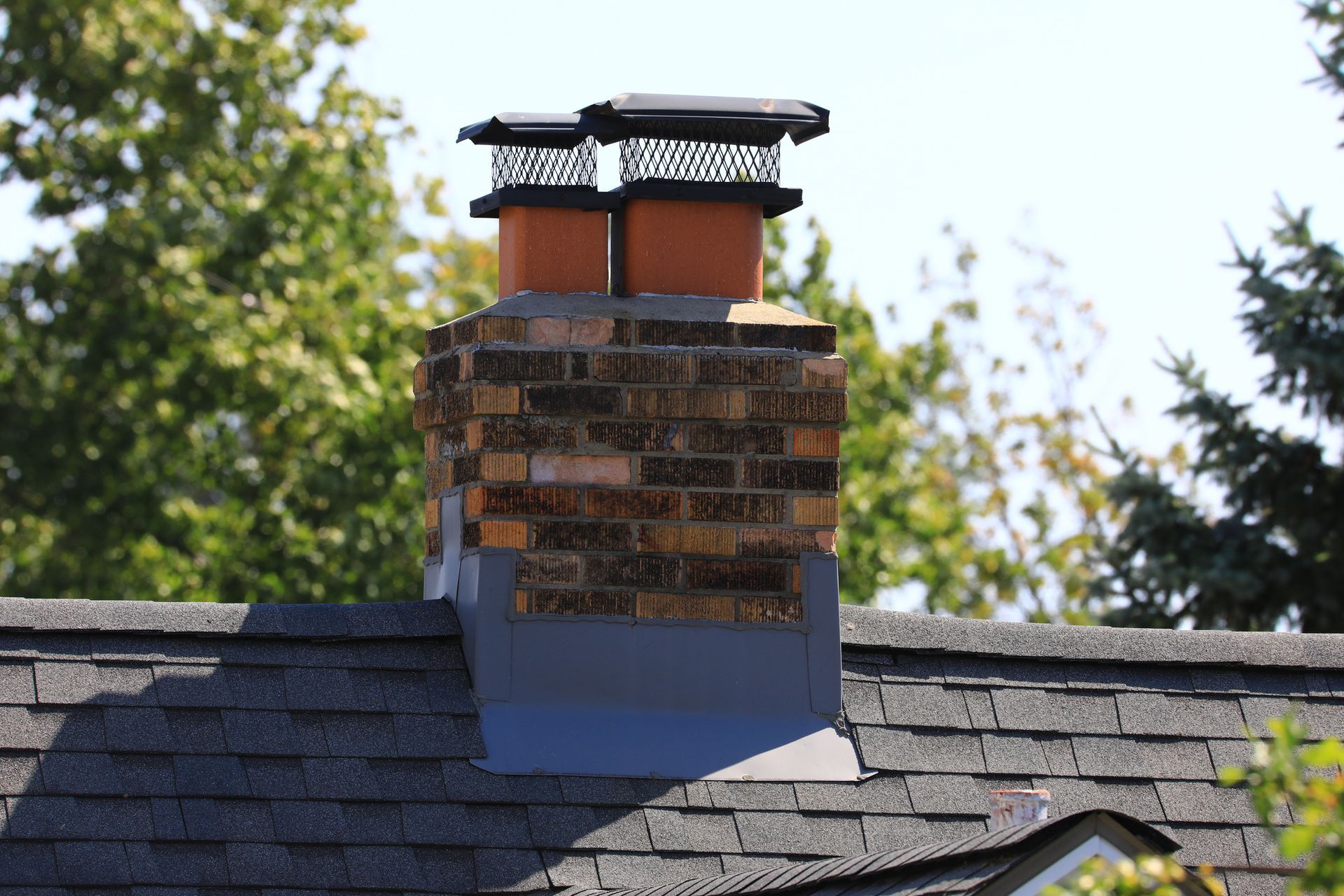
A professional appointment begins with preparation, not brushes. Before any cleaning begins, the technician performs a visual check of the chimney's exterior and interior to look for visible cracks, blockages, animal nests, or draft problems that could affect the work ahead.
Next, drop cloths and tarps are laid down around the fireplace to protect your floors and furniture. This step matters because rotary brush cleaning generates real debris. A tidy workspace at the start means a clean home when the job is done.
What the Rotary Brush Sweep Actually Removes
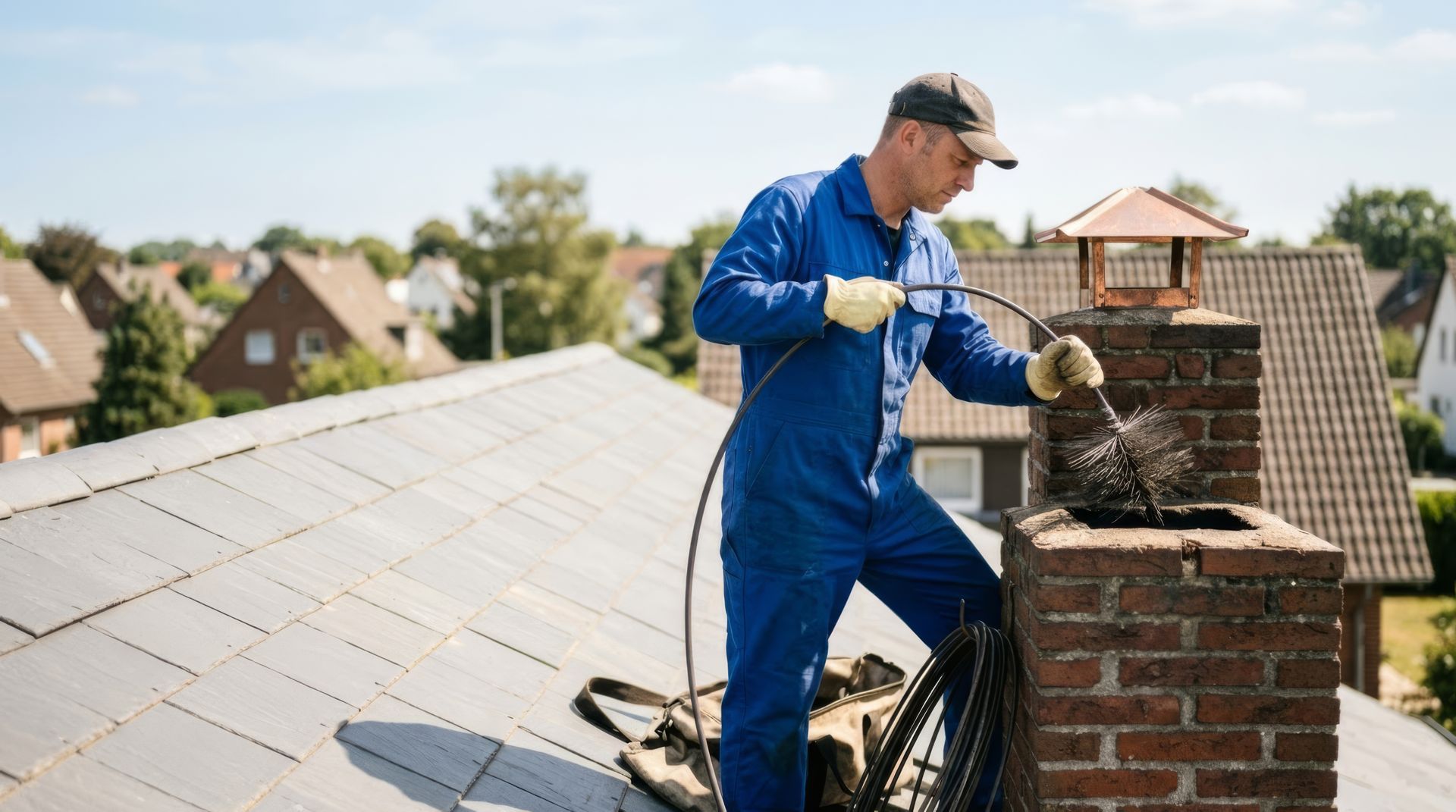
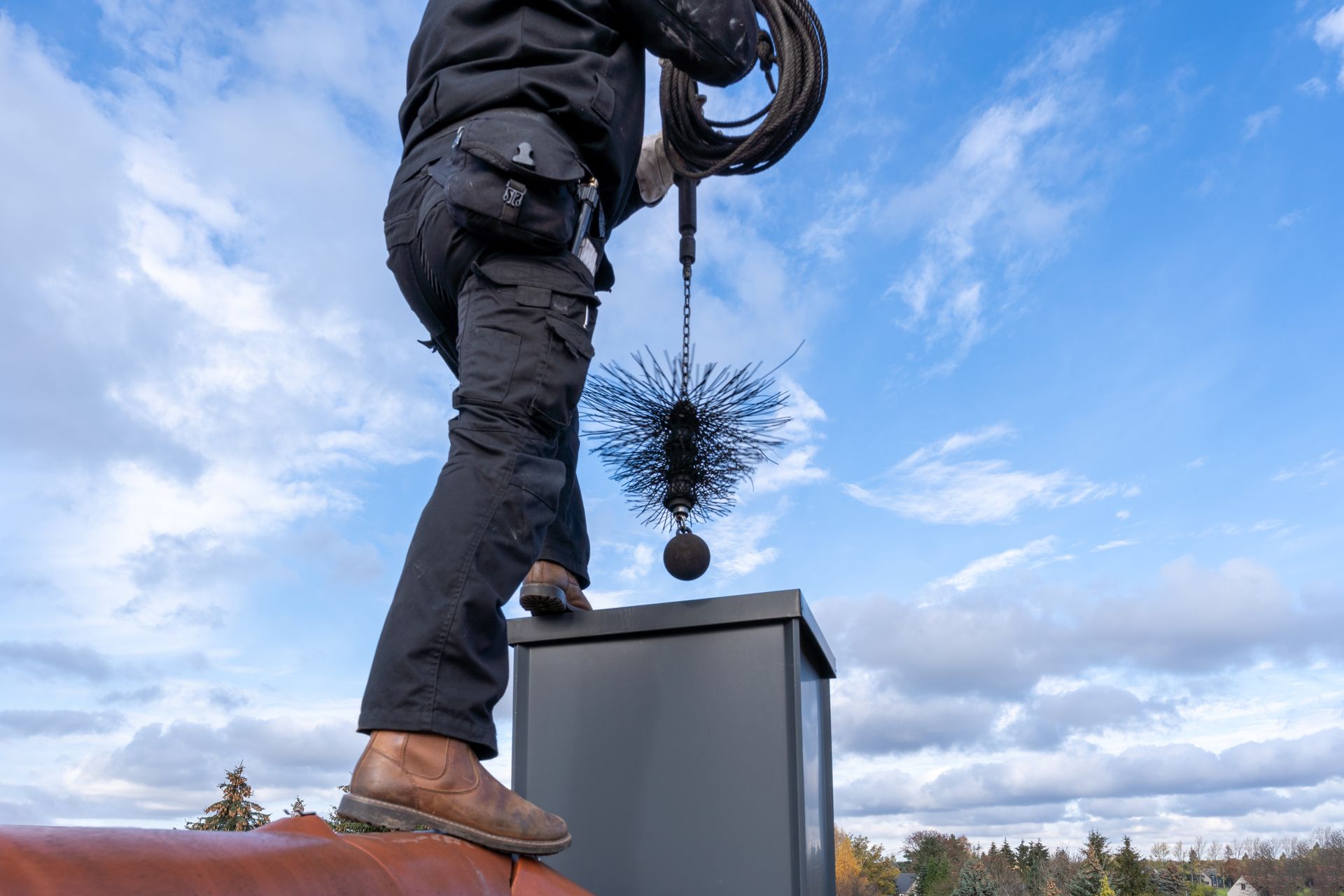
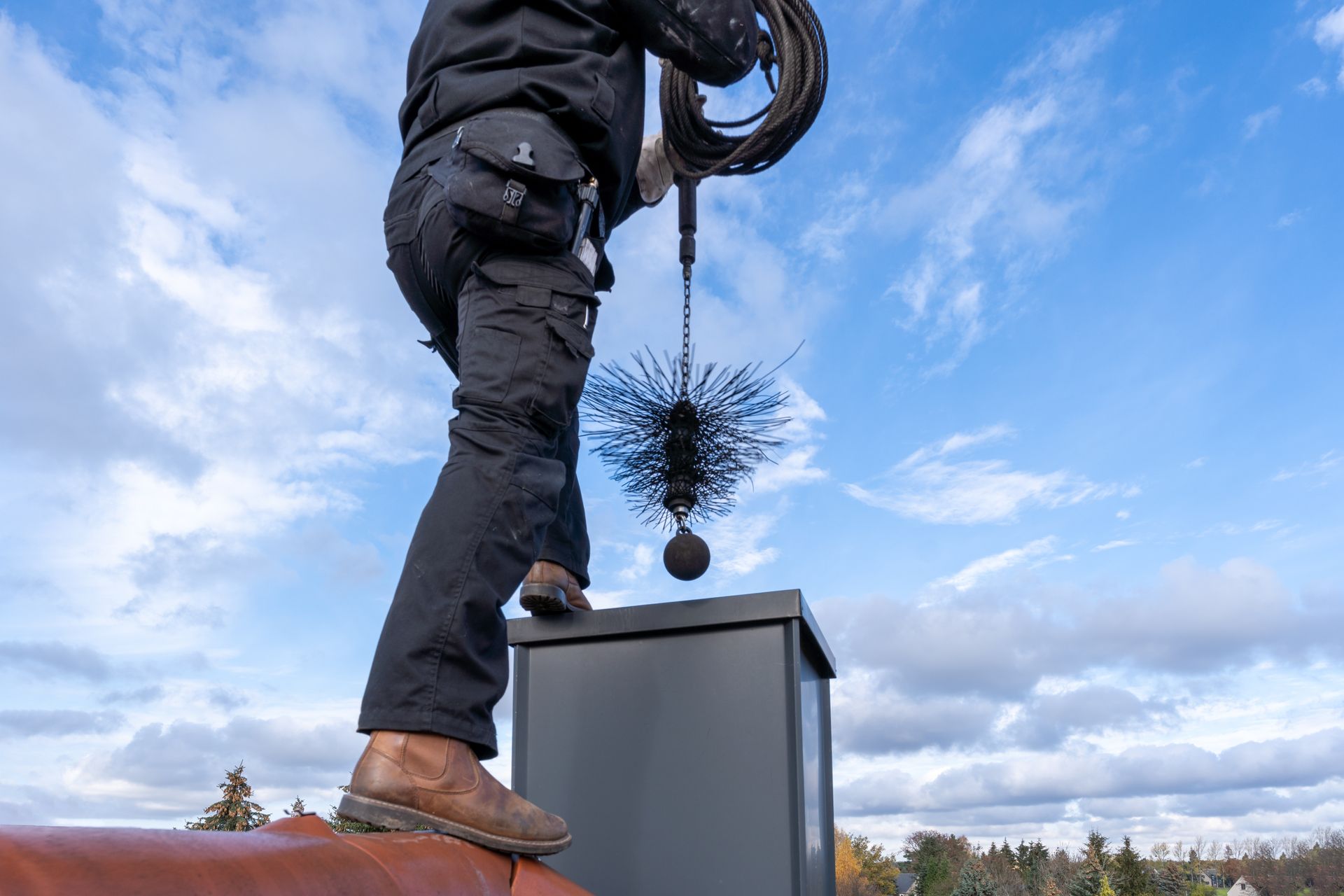
The brush sweep is the core of any chimney cleaning appointment. The technician uses rotary brushes and extension rods to scrub the interior walls of the flue from top to bottom, dislodging soot, loose debris, and creosote. An industrial-grade vacuum runs at the same time to pull particles out of the air as they fall.
Creosote deserves special attention. It is the sticky, tar-like byproduct of burning wood that can build up on flue walls over time. Left unchecked, it is one of the leading causes of chimney fires. Routine cleaning removes this buildup before it reaches dangerous levels, which is why annual service is widely recommended.
A chimney cleaning appointment serving Columbus, OH, homes typically takes between one and two hours, depending on chimney size and how much buildup has accumulated.
Level 1 vs. Level 2 Inspection: What Is the Difference?
Most homeowners are not aware that chimney inspections come in different levels. Knowing the difference helps you understand what you are actually getting.
A Level 1 inspection covers the readily accessible portions of the chimney interior and exterior. The technician checks the basic structure, the connection to the appliance, and verifies the flue is clear of obstructions. No special camera equipment is used. This is appropriate when your system has not changed, you use the same fuel type, and the chimney has been serviced regularly.
A Level 2 inspection goes further. It is required when changes have been made to the system, such as a switch in fuel type, a relining of the flue, or the addition of a new appliance. A Level 2 is also typically required when buying or selling a home with a working fireplace, or after any event that may have caused damage. The key difference is the use of a camera to inspect areas that are not visible to the naked eye.
When Should You Request a Level 2 Inspection?
You may want to request a Level 2 inspection in the following situations:
- You are buying or selling a home with a fireplace.
- You recently switched fuel types or had the flue relined.
- A chimney fire, storm, or other event occurred recently.
- You notice new odors, smoke drafting into the room, or unusual sounds.
- The chimney has not been inspected in several years.
How the 360-Degree Camera Works and Why It Matters
The camera inspection is what separates a basic sweep from a fully documented service visit. A 360-degree camera is inserted into the flue and captures video and photo footage as it travels up the interior. This allows the technician to identify cracks in the liner, gaps in mortar joints, or any structural condition that a visual inspection from the firebox alone would never reveal.
At the end of the appointment, that footage becomes part of a documented record. You can see exactly what the technician saw, which removes any guesswork and gives you an honest picture of your chimney's condition.
What Is CSIA Certification and Why Does It Matter?
CSIA stands for the Chimney Safety Institute of America. It is the leading professional certification body in the chimney industry. Technicians who hold CSIA certification have completed formal training and testing in chimney safety, code compliance, and proper sweep techniques. When you hire a CSIA-certified sweep, you know the person working in your home has met a recognized professional standard, not just picked up a brush.
What Does a Written Inspection Report Include?
After the camera sweep is complete, a professional technician can provide findings in writing. A report may include documentation of creosote levels, condition of the liner, any observed cracks or damage, and recommended next steps. This kind of written record is useful for your own files, for insurance purposes, or when preparing a home for sale.
Ready to Schedule Your Chimney Cleaning in Columbus, OH?
Pro Sweep Chimney Service brings CSIA-certified technicians, 360-degree camera inspection, and honest written findings to every appointment. Whether you need a routine annual sweep or a full Level 2 inspection, the team is ready to help you protect your home and your family this season.
To book your appointment or ask questions, visit the chimney cleaning Columbus OH service page or contact the team online. You can also call (614) 638-6289 to schedule directly.