
Creosote 101: What It Is, Why It's Dangerous, and How Columbus Homeowners Can Prevent It With Chimney Cleaning
Creosote is one of the most overlooked hazards in homes with wood-burning fireplaces, and understanding it is the first step toward protecting your family from chimney fires. This guide covers what creosote is, why it becomes dangerous, and what Columbus, OH, homeowners can do to keep it under control through regular chimney cleaning and smart burning habits.
What Is Creosote and Why Does It Form?
Creosote is a dark, tar-like byproduct that forms inside your chimney flue every time you burn wood. When smoke, gases, and unburned wood particles rise through the flue, they cool and condense against the inner walls. That condensation sticks and hardens into creosote over time.
Ohio's cold winters play a direct role in how fast this buildup happens. When outdoor temperatures drop in Columbus, flue walls stay cooler, which speeds up condensation. The faster smoke cools, the more creosote gets left behind.
There are three distinct stages of creosote, and each one is more serious than the last.
The Three Stages of Creosote Buildup
- Stage 1: A light, flaky soot that is relatively easy to brush away with standard chimney cleaning tools. Most homeowners who burn regularly and maintain their fireplace well stay at this stage.
- Stage 2: A harder, tar-like coating that requires more aggressive removal methods. Standard brushing often is not enough, and professional equipment becomes necessary.
- Stage 3: A thick, glazed, and highly flammable layer that coats the entire flue. This stage is extremely difficult to remove and poses a serious fire risk. It may require chemical treatments or even flue relining.
The goal of every annual sweep is to catch creosote at Stage 1 before it advances.
Why Is Creosote Dangerous for Columbus Homeowners?
Creosote is the leading cause of chimney fires in the United States. When the substance reaches a high enough temperature inside the flue, it can ignite. These fires can burn intensely and spread quickly through the structure of your home.
Beyond fire risk, creosote buildup restricts the natural draft of your chimney. Poor draft means combustion gases, including carbon monoxide, may not exit your home properly. Carbon monoxide is colorless and odorless, making it impossible to detect without a working detector.
Central Ohio's heating season typically runs from October through March. That is six months of regular fire use, which means creosote can accumulate quickly if you are burning green or unseasoned wood. Unseasoned wood contains high moisture content, which produces more smoke and leaves behind significantly more creosote than properly dried firewood.
Common Causes of Faster Creosote Buildup in Ohio
- Burning unseasoned or "green" wood with high moisture content.
- Low, smoldering fires that produce more smoke than heat.
- Cold flue temperatures common during Franklin County winters.
- Infrequent chimney cleaning that allows buildup to progress to Stage 2 or 3.
- Burning artificial logs, cardboard, or treated wood not designed for fireplaces.
How Columbus Homeowners Can Prevent Creosote Buildup
Preventing creosote starts with how and what you burn. Using properly seasoned firewood is one of the most effective steps you can take. Seasoned wood has been dried for at least six to twelve months and has a moisture content below 20 percent. It burns hotter and cleaner than green wood, producing less smoke and far less creosote.
Building hotter, more efficient fires also helps. Small, smoldering fires allow smoke to linger in the flue longer and cool faster, depositing more creosote. A hot, well-fed fire creates a stronger draft that carries combustion gases out before they cool and condense.
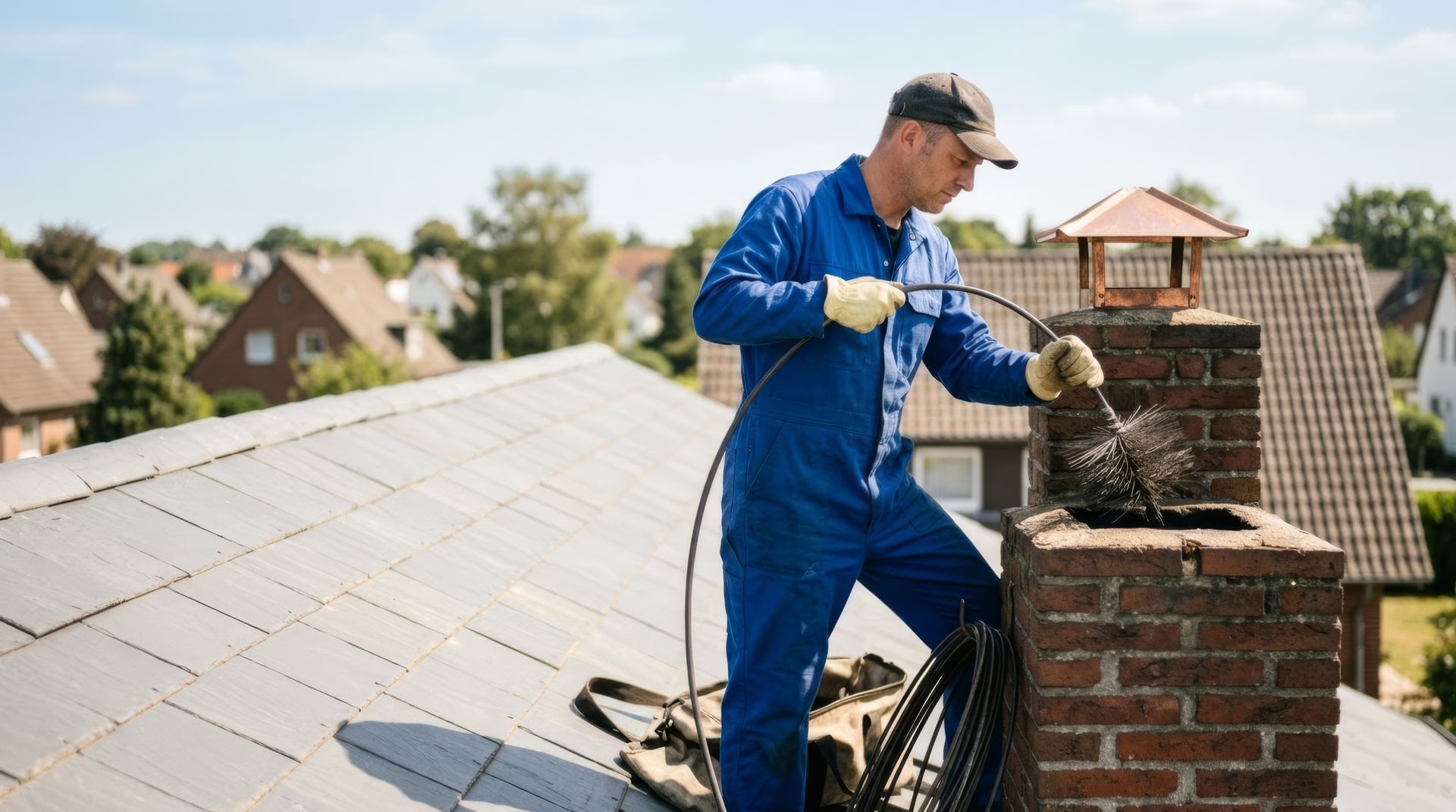
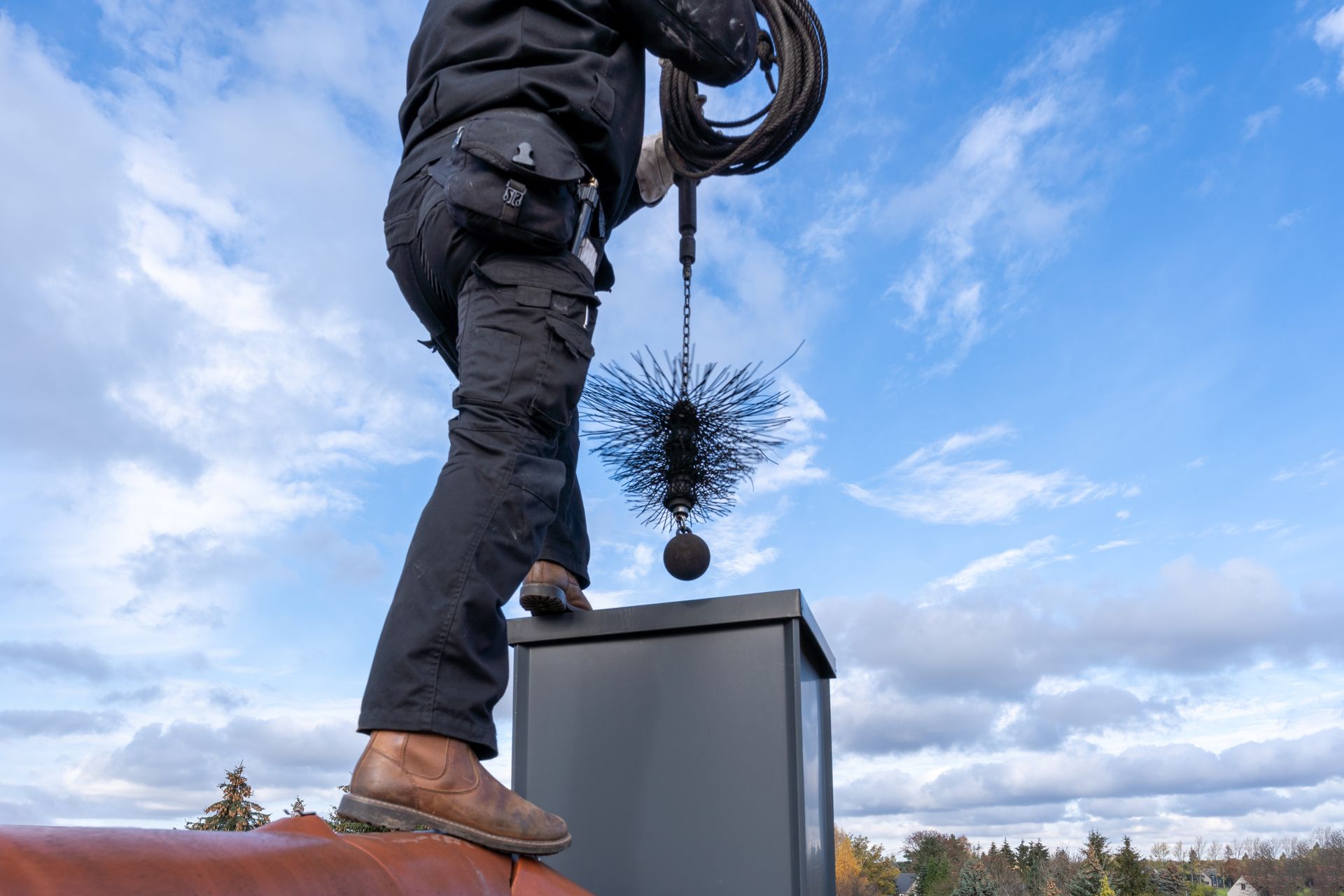
Chimney cleaning in Columbus, OH, should be scheduled at least once per year, typically in late summer or early fall before heating season begins. This timing allows a certified technician to remove any buildup from the previous winter before it sits untouched for another season.
A chimney inspection alongside your annual sweep gives you a full picture of your flue's condition. A qualified technician can identify early-stage creosote, cracks in the liner, or other problems that could worsen over the heating season.
Frequently Asked Questions About Creosote
How Often Should I Schedule Chimney Cleaning If I Burn Every Week?
If you use your fireplace regularly throughout Ohio's heating season, an annual professional chimney cleaning is the minimum recommendation. Heavy users who burn several times per week may benefit from a mid-season check as well.
Can I Remove Creosote Myself With Store-Bought Products?
Some products marketed for creosote removal can help loosen Stage 1 deposits, but they are not a substitute for professional cleaning. Stage 2 and Stage 3 creosote require specialized tools and expertise to address safely.
Does the Type of Wood I Burn Really Make a Difference?
Yes, it makes a significant difference. Hardwoods like oak, hickory, and maple burn hotter and leave behind less residue than softwoods. All wood should be properly seasoned before use, regardless of the species.
Schedule Your Annual Sweep Before the Ohio Heating Season Begins
Creosote buildup is preventable, and the solution is straightforward: burn seasoned wood, build hot fires, and keep up with annual professional maintenance. For homeowners across Columbus, OH, getting ahead of creosote before the cold season arrives can mean the difference between a safe, efficient fireplace and a serious hazard.
Pro Sweep Chimney Service is a CSIA-certified, family-owned team serving Columbus and surrounding Central Ohio communities including Worthington, Dublin, Hilliard, Gahanna, and Reynoldsburg. Call (614) 638-6289 to schedule your chimney cleaning, or book your appointment online today.